
If there is one natural ingredient that deserves a permanent place in every hair care routine, it is coconut oil for hair. From softening dry strands and controlling frizz to nourishing a troubled scalp and protecting against daily damage — this single ingredient delivers a range of measurable, science-confirmed benefits that most commercial products cannot match at any price. It is no coincidence that coconut hair oil has become one of the most searched natural hair treatments in the world: when something works this reliably across this many hair types and concerns, word spreads fast.
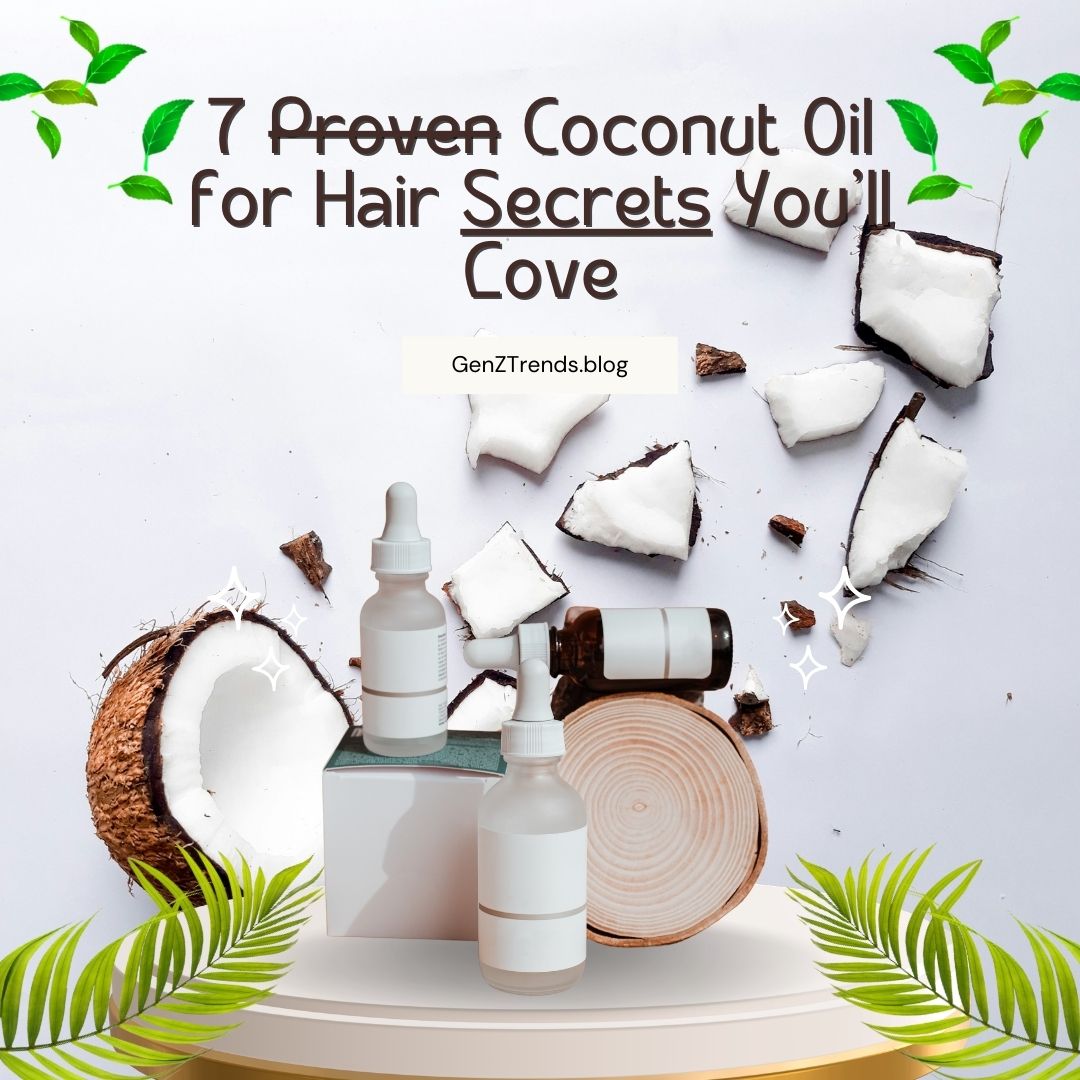
The 7 proven coconut oil for hair secrets you’ll love — the same phrase that has become one of the most searched natural hair care topics worldwide — are grounded in how coconut oil actually interacts with hair at a molecular level. Each one is grounded in the specific science of how coconut oil interacts with hair at a molecular level, and each one is immediately actionable with products you may already own. Whether your priority is growth, shine, thickness, or scalp health — or all four — these secrets will transform how you use coconut oil and the results you see from it. Let us begin.
Why Coconut Oil for Hair Actually Works
Before the 7 secrets, the science deserves a proper explanation — because understanding why coconut oil works is what allows you to use it correctly, choose the right product, and set accurate expectations.
UNIQUE MOLECULAR STRUCTURE THAT PENETRATES THE HAIR SHAFT
Most carrier oils used in hair care are too large molecularly to penetrate beyond the hair’s outermost cuticle layer. They condition the surface, offering temporary coating and some protection, but cannot influence the hair’s internal structure where the real structural decisions are made. Coconut oil is fundamentally different. Its primary fatty acid — lauric acid — has an unusually small molecular size combined with a straight carbon chain that allows it to pass through the cuticle and penetrate into the cortex, the inner protein-bearing layer of every hair strand.
This penetration is the foundation of everything that makes the best coconut oil for hair exceptional. While other oils condition the outside, coconut oil conditions from within. The coconut oil hair serum category exists precisely because of this penetrating property — the hair chemist coconut oil hair serum, the perfect hair coconut oil hair serum, and professional hair serum coconut oil formulations all leverage this unique molecular behaviour, which is why they consistently outperform non-penetrating alternatives for real structural hair improvement.
RICH IN LAURIC ACID AND FATTY ACIDS
Lauric acid comprises approximately 45 to 52 percent of coconut oil’s total composition — a concentration found in virtually no other commonly available plant oil. Its affinity for hair protein is the critical detail: lauric acid binds directly to the keratin proteins in the cortex, reinforcing the hair’s structural integrity from within rather than simply lubricating the surface. The broader fatty acid profile of coconut oil also includes caprylic acid, capric acid, and myristic acid, each of which contributes nourishing and protective properties at both the scalp and hair shaft level.
PREVENTS PROTEIN LOSS
One of the most significant scientific findings specific to coconut oil is its documented ability to reduce protein loss from the hair shaft during washing and styling. Landmark research published in the Journal of Cosmetic Science found that of all oils tested — including mineral oil and sunflower oil — only coconut oil consistently reduced protein loss in both undamaged and damaged hair when used as a pre-wash treatment. This protein-loss prevention is a direct consequence of lauric acid penetrating and binding to hair keratin before water exposure, physically reinforcing the cortex against the swelling and structural disruption that occurs every time hair becomes wet. The result is hair that retains its structural integrity wash after wash, breaking less and retaining more length over time. Is 100 virgin coconut oil good for hair for this purpose? Yes — the research specifically involved unrefined virgin oil with intact lauric acid content.
SUPPORTS SCALP HEALTH
Lauric acid has documented antimicrobial properties against Staphylococcus aureus, Streptococcus species, and Malassezia furfur — the primary fungal organism responsible for dandruff and seborrheic dermatitis. Regular application of 100 pure coconut oil for hair growth creates a scalp environment that is significantly less hospitable to the microbial overgrowth that causes dandruff, folliculitis, and the chronic scalp inflammation that restricts follicle function. Its anti-inflammatory properties additionally reduce the inflammatory signalling that disrupts the hair growth cycle at the follicle level.
SUITABLE FOR MOST HAIR TYPES
Coconut hair oil best serves dry, porous, and damaged hair most immediately — these hair types absorb and benefit from lauric acid’s protein-binding most rapidly. For fine or low-porosity hair, coconut oil works best in careful amounts and as a pre-wash treatment rather than a daily leave-in. For curly and coily hair, it excels as a sealing agent and deep conditioner. What is the best coconut oil for hair for your specific type is ultimately the same product — cold-pressed, virgin, and unrefined — applied with method adjustments by hair type.
7 Proven Coconut Oil for Hair Secrets You’ll Love
Secret 1 — Use as a Deep Conditioning Treatment
The deep conditioning treatment is the most comprehensive and most consistently rewarding application of coconut oil for hair — delivering simultaneous protein support, moisture retention, cuticle smoothing, and scalp nourishment in a single weekly session.
HOW TO APPLY
Warm 2 to 3 tablespoons of extra virgin coconut oil for hair — ideally an organic virgin coconut oil for hair — or coconut oil extra virgin for hair in its unrefined, cold-pressed form — by placing the sealed jar in warm water for a few minutes until it melts. Apply section by section from scalp to ends, ensuring every strand is coated from root to tip. For an enhanced treatment, add complementary ingredients before applying: a mayo and coconut oil hair mask (2 tablespoons mayonnaise with 2 tablespoons coconut oil) adds protein and conditioning emollients; the lavender and coconut oil for hair combination (coconut oil base with 5 drops of lavender essential oil) adds antimicrobial, scalp-soothing, and circulation-stimulating properties for a more complete scalp treatment.
DURATION: THE 30-MINUTE STANDARD
The hair mask – coconut oil treatment using the 30 minute coconut oil hair mask is the most broadly effective duration — long enough for meaningful lauric acid penetration into the cortex, short enough for practical weekly use. Apply the oil, cover with a shower cap, and optionally wrap with a warm towel to add gentle heat that opens the cuticle and amplifies absorption. For a virgin coconut oil hair mask of maximum intensity, use a heated cap at low setting for the full 30 minutes. For very damaged or extremely dry hair, extend to 2 hours or leave overnight. After the treatment, shampoo thoroughly (double shampoo if needed) and condition as normal.
WEEKLY ROUTINE TIP
Consistency produces the most meaningful cumulative improvement from coconut oil deep conditioning. Establishing a fixed weekly treatment time — Sunday evening before washing, for example — builds the habit naturally and ensures the protein-protective benefits compound week over week. The everyday coconut oil hair approach for most people means one weekly intensive treatment rather than daily application, which risks buildup. The 100 virgin coconut oil leave in treatment version can be left in on damp hair post-washing as a lighter leave-in conditioning step between weekly intensive treatments.
Secret 2 — Massage for Faster Hair Growth
Coconut oil for hair used as a growth massage treatment combines the biological benefits of the oil itself with the well-documented, clinical-evidence-backed benefits of regular scalp massage — a pairing that is more powerful than either element used alone.
SCALP STIMULATION BENEFITS
The scalp contains a dense microvasculature — a network of fine blood vessels that supply each follicle with the oxygen, amino acids, hormones, and growth factors it needs to produce hair actively. When scalp circulation is reduced by stress, tension, sedentary lifestyle, or chronic neglect, follicles receive less nutrition and their output decreases proportionally. Regular massage stimulates this microvascular network through mechanical dilation of capillaries, increasing blood flow to every follicle in the massage area. Research published in the journal ePlasty found that 4 minutes of daily scalp massage over 24 weeks produced measurably increased hair thickness — a finding attributable primarily to this mechanical circulation mechanism.
Adding the best coconut oil for hair growth to the massage amplifies results through two additional pathways: lauric acid nourishes the scalp tissue and reduces inflammation that further restricts follicle function, while the oil’s moisturising properties support scalp skin integrity between treatments. The virgin coconut growth oil for growth massage approach is specifically the cold-pressed, unrefined version — 100 percent coconut oil for hair with full lauric acid and antioxidant content intact.
IMPROVES BLOOD CIRCULATION
To perform the growth massage correctly: warm 1 to 2 teaspoons of organic virgin coconut oil good for hair between your palms until it melts and coats your hands. Apply to the scalp in sections along the natural partings. Using your fingertips (not nails), apply firm but comfortable circular pressure across the entire scalp — starting from the nape of the neck, moving forward to the hairline, then across the sides. Maintain 5 to 10 minutes of continuous massage. This technique, performed with organic virgin coconut oil for hair, delivers both the mechanical circulation stimulation and the topical lauric acid nourishment simultaneously.
THE OVERNIGHT METHOD
For the most intensive growth-focused treatment: apply warmed coconut for your hair to the scalp, massage thoroughly for 10 minutes, cover with a satin bonnet or wrap with a satin scarf, and leave overnight. Wash out in the morning with a gentle shampoo. The 100 pure honey & virgin coconut restorative shampoo reviews consistently praise it as a popular and effective post-treatment wash option — it removes the oil gently while adding honey’s humectant and antimicrobial benefits to the wash routine. The coconut oil for hair blue bottle products specifically designed for overnight leave-in use offer a convenient commercial format for this method.
Secret 3 — Prevent Protein Loss Before Washing
The pre-wash treatment is the most scientifically validated use of coconut oil for hair — the application method with the clearest, best-documented evidence base, and one that most people have never tried.
PRE-WASH TREATMENT METHOD
Every time hair absorbs water it swells — a process called hygral expansion. This physical expansion places mechanical stress on the cuticle and cortex, causing microscopic structural damage with each wash cycle. Over months and years, cumulative hygral fatigue produces brittleness, loss of elasticity, increased porosity, and eventually breakage. Applying 100 percent coconut oil for hair to dry hair 20 to 60 minutes before washing creates a lauric acid barrier that dramatically slows the rate of water absorption into the cortex, reducing hygral expansion and the damage it causes.
The everyday coconut oil hair pre-wash routine: apply 1 to 2 tablespoons of virgin coconut oil good for hair to dry hair, distributing from roots to ends. There is no heat required — room temperature penetration over 20 to 60 minutes is sufficient for the protective mechanism. Then shampoo and condition as normal. The pre-wash application is then completely washed out, leaving only the internal protein-binding benefits without any surface residue that could cause the weight or greasiness concerns associated with leave-in coconut oil use.
BEST TIMING
The minimum effective duration is 20 minutes for fine or healthy hair; 30 to 60 minutes for dry, damaged, or high-porosity hair where deeper penetration is needed before washing begins. For severely damaged hair — from bleaching, repeated colouring, or heavy heat styling — an overnight pre-wash treatment delivers the deepest available protection. Apply in the evening, cover with a satin bonnet or sleep cap, and wash in the morning as normal. The coco for hair pre-wash method is the most important single technique for stopping the progressive damage cycle that characterises chemically processed hair.
WORKS ESPECIALLY FOR DRY AND DAMAGED HAIR
Damaged hair has a structurally compromised, more open cuticle that allows water to penetrate more rapidly and more deeply than in healthy hair — making it more vulnerable to hygral expansion damage with every wash. The lauric acid in coconut oil penetrates this open cuticle and binds to the exposed cortex proteins before water exposure begins, physically reinforcing the structure against the swelling that would otherwise cause further degradation. The coconut oil + hair pre-wash combination is the single most protective measure available for colour-treated, heat-damaged, or chemically processed hair between more intensive repair treatments.
Secret 4 — Control Frizz and Boost Shine Instantly
Frizz control and instant shine are the results most people want from coconut oil — and the most commonly achieved incorrectly. The technique matters as much as the product.
THE SMALL AMOUNT TECHNIQUE
The most common coconut oil mistake for styling is using too much. Coconut oil is remarkably concentrated — a single drop accomplishes more on the hair surface than most people expect. For frizz control and instant shine: melt 1 to 2 drops of coconut oil serum for hair or pure virgin coconut oil between warm palms. Apply exclusively to the mid-lengths and ends, never at the root or scalp. Smooth downward along the hair’s natural direction, encouraging the cuticle scales to lie flat and uniform. The result is immediate: a smooth, uniform cuticle reflects light with a natural gloss that communicates health and vitality.
The hair chemist coconut oil hair serum and coconut oil hair serum beauty untouched products are professionally formulated versions of this concept — coconut oil combined with silicones or other slip agents in a ready-to-use serum that applies more evenly and with less risk of overuse than straight oil. Both approaches work; the serum format is more forgiving for beginners. The coconut oil hair serum category — including the perfect hair coconut oil hair serum and similar products — all leverage the same cuticle-sealing mechanism of lauric acid penetration combined with surface smoothing.
BEST FOR HUMID CLIMATES
In humid conditions, hair absorbs atmospheric moisture and swells unevenly, lifting the cuticle and creating the characteristic frizz that follows exposure to warm, wet air. Coconut oil’s occlusive surface film slows this atmospheric moisture absorption significantly — applying a small amount before going out in humid weather creates a protective barrier that holds the cuticle in its smoothed, closed position for longer than untreated hair. Coco for hair in humid climates is most effective when applied to damp (rather than dry or soaking wet) hair just before styling, where it seals in the moisture already present while blocking additional environmental moisture from disrupting the cuticle.
AVOID THE GREASY LOOK
The key to frizz control and shine without greasiness is absolute quantity discipline: start with one drop, melt it completely, and smooth through the ends only. If needed, add a second drop — but evaluate after each addition before reaching for more. For fine hair, dilute 1 drop of coconut oil with 2 drops of a lighter oil like argan before applying. The coconut oil + hair styling principle is consistent: less is not merely sufficient — it is superior. More coconut oil does not produce more shine; it produces greasiness and flatness.
Secret 5 — Repair Split Ends Naturally
Split ends cannot be permanently repaired — a trim is the only definitive solution. But coconut oil can seal and protect split ends so effectively that it meaningfully extends the time between necessary trims and significantly improves the appearance of the hair ends.
HOW TO SEAL THE ENDS
Apply 1 to 2 drops of love hair pure coconut oil or any cold-pressed unrefined coconut oil directly to the last 2 to 3 centimetres of the hair — the section where split ends are most concentrated and most visible. For curly hair, twist small sections between fingers after applying to help the oil coat the tip of each strand consistently. The lauric acid in the oil penetrates the exposed, damaged cortex at the split site and creates a temporary structural reinforcement that prevents the two halves of the split from fraying further or separating completely along the strand. Love hair coconut oil applied consistently to the ends produces hair that looks healthier, feels smoother at the tips, and requires fewer emergency trims between regular appointments.
WHEN TO APPLY
The most effective application timing is on damp hair after washing and conditioning, before styling begins. The slightly more open cuticle of freshly washed, damp hair allows better oil absorption than completely dry hair, delivering more lauric acid to the split end’s cortex before the cuticle closes again as drying proceeds. For daily maintenance between washes, a single drop of coconut oil applied to completely dry ends acts as a protective film against the friction from clothing and the mechanical stress of styling that progressively worsens existing splits.
REALISTIC EXPECTATIONS
Coconut oil does not chemically repair the broken cortex of a split end — it temporarily seals and holds the frayed fibres together, reducing further damage and improving appearance. Regular end sealing with extra virgin coconut oil for hair growth extends the time many users can go between trims by 2 to 4 weeks without their ends becoming unmanageable. That four-week extension, repeated consistently across a year, means three or four fewer trims — and significantly more retained length over time.
Secret 6 — Soothe Dry and Itchy Scalp
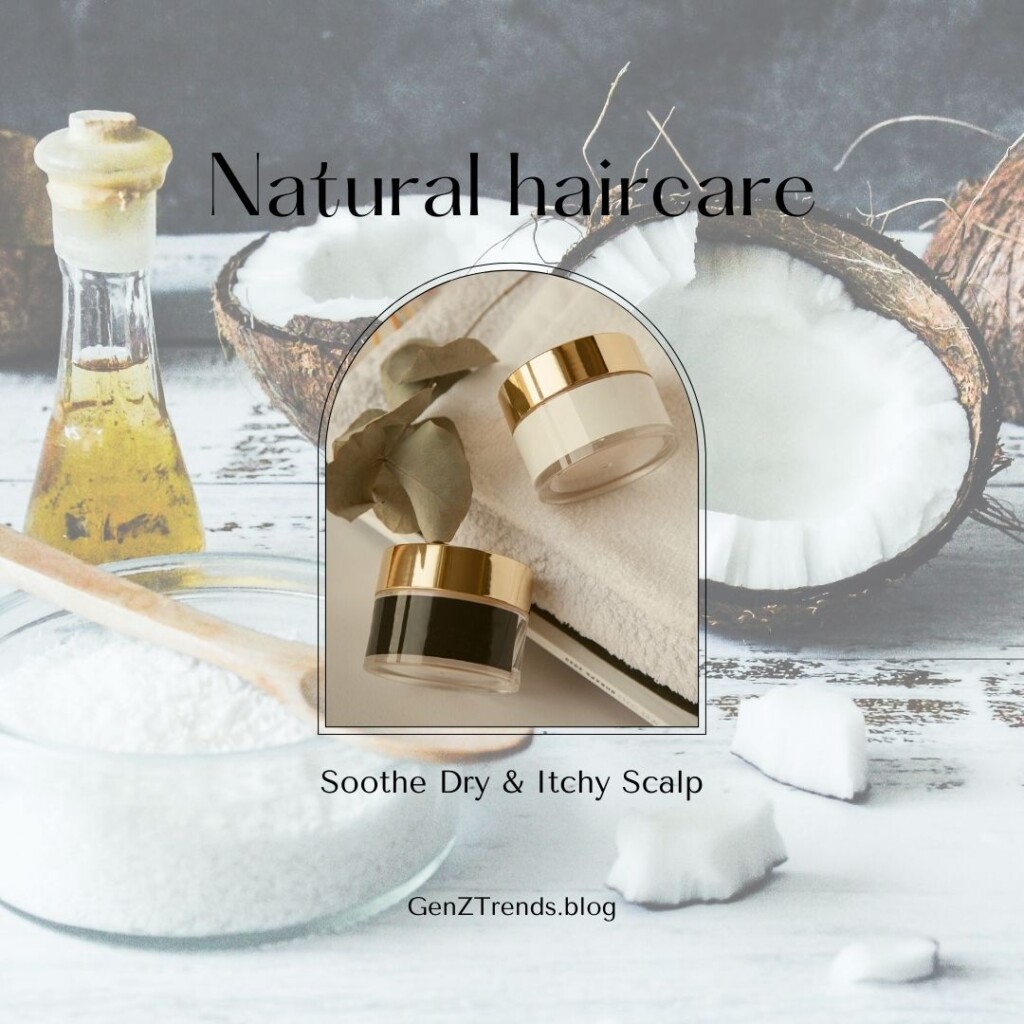
A persistently dry, itchy scalp is one of the most uncomfortable and most demoralising hair concerns — and one of the most responsive to coconut oil’s specific biological action, which addresses the underlying causes rather than just masking the symptoms.
ANTI-INFLAMMATORY PROPERTIES
Lauric acid has documented anti-inflammatory activity at the cellular level, inhibiting the production of pro-inflammatory cytokines — the signalling proteins that drive the itching, redness, and sensitivity of a chronically inflamed scalp. Applied directly to the scalp, organic virgin coconut oil for hair delivers this anti-inflammatory action immediately at the site of discomfort. The effect is both symptom-relieving (immediate reduction in itching and sensation) and biologically corrective (progressive reduction in the underlying inflammatory response with consistent use).
For particularly reactive or sensitive scalps, the lavender and coconut oil for hair combination is the most well-rounded approach: lavender essential oil (5 drops per 2 tablespoons of coconut oil) adds its own well-documented anti-inflammatory, antimicrobial, and calming properties to the lauric acid foundation, creating a treatment that addresses irritation from multiple angles simultaneously.
DANDRUFF CONTROL SUPPORT
The antifungal activity of coconut oil against Malassezia furfur — the primary organism responsible for dandruff — has been confirmed in multiple dermatology studies. Regular scalp application of 100 coconut oil for hair reduces the fungal load that triggers the inflammatory response responsible for flaking and itching. Consistent use progressively reduces both the severity of dandruff symptoms and the frequency of flare-ups. For mild to moderate dandruff, coconut oil used consistently is often sufficient as a standalone treatment. For moderate to severe seborrheic dermatitis, it is most appropriately used as a complement to medical treatment rather than a replacement.
HOW OFTEN TO USE FOR SCALP HEALTH
For active dry, itchy scalp treatment: apply 1 to 2 teaspoons of organic virgin coconut oil good for hair to the scalp 2 to 3 times per week. Massage gently for 3 to 5 minutes. Leave for a minimum of 30 minutes before washing. For maintenance after improvement: once weekly is typically sufficient to maintain the anti-inflammatory and antifungal protective effects long-term. For the oliology coconut oil 10-in-1 leave-in treatment approach — leave-in products that incorporate coconut oil alongside other soothing actives — daily or post-wash use is appropriate given the lower concentration of oil in the overall formulation.
Secret 7 — Protect Hair from Heat and Damage
Thermal protection and environmental damage prevention are among coconut oil’s most underappreciated applications — delivering meaningful protection at a fraction of the cost of commercial heat protectants.
BEFORE STYLING
Coconut oil forms a protective film on the hair surface that reduces the direct thermal transfer between heat styling tools and the hair’s protein structure. Applied to damp hair before blow-drying, or to dry hair before flat ironing or curling, a thin coating of coconut oil reduces the peak temperature experienced by the cortex proteins during styling — buying those proteins critical extra margin before damage threshold is reached. The viva coconut oil for hair heat protection method documented extensively across the youtube coconut oil hair treatment community involves applying a very thin, fully-distributed coating before any heat tool is used.
Critical application detail: use a minimal amount — 1 to 2 drops for fine hair; 3 to 5 drops for thick or coarse hair — and distribute completely through the hair before heat contact. Too much oil applied before heat can transfer rather than deflect thermal energy, potentially worsening rather than preventing damage. The amount should be barely perceptible on the hair surface after full distribution.
SUN PROTECTION BENEFITS
Coconut oil has a natural SPF of approximately 4 to 6 — modest in absolute terms but meaningful for the cumulative daily UV exposure that degrades hair protein, fades colour, and dries the scalp over time. The coconut oil 10 in 1 multipurpose spray reviews and 10 in 1 coconut hair spray product categories specifically highlight UV protection as one of the key benefits — these multi-benefit formulations leverage coconut oil’s natural sun-filtering properties alongside other active ingredients to create comprehensive daily protection. Applying any coconut oil-containing product before outdoor exposure adds a meaningful layer of UV defence that accumulates in benefit over seasons of consistent use.
LAYERING WITH OTHER PRODUCTS
Coconut oil integrates well with most other hair care products when applied in the correct order. For a comprehensive daily protective routine: begin with the olive oil coconut oil hair spray or a diluted coconut oil mist applied to damp hair as a base protective layer; add leave-in conditioner if needed; then apply styling products; finish with heat styling. For the oliology coconut oil 10-in-1 leave-in treatment or coconut culture 10-in-1 treatment — multi-benefit leave-in products built around coconut oil — apply after washing and before any additional styling products. The coconut oil 10 in 1 multipurpose spray reviews and oliology coconut oil 10-in-1 leave-in treatment reviews consistently highlight layering compatibility as one of these products’ primary practical strengths: they work with rather than against the other products in a routine.
How to Choose the Best Coconut Oil for Hair
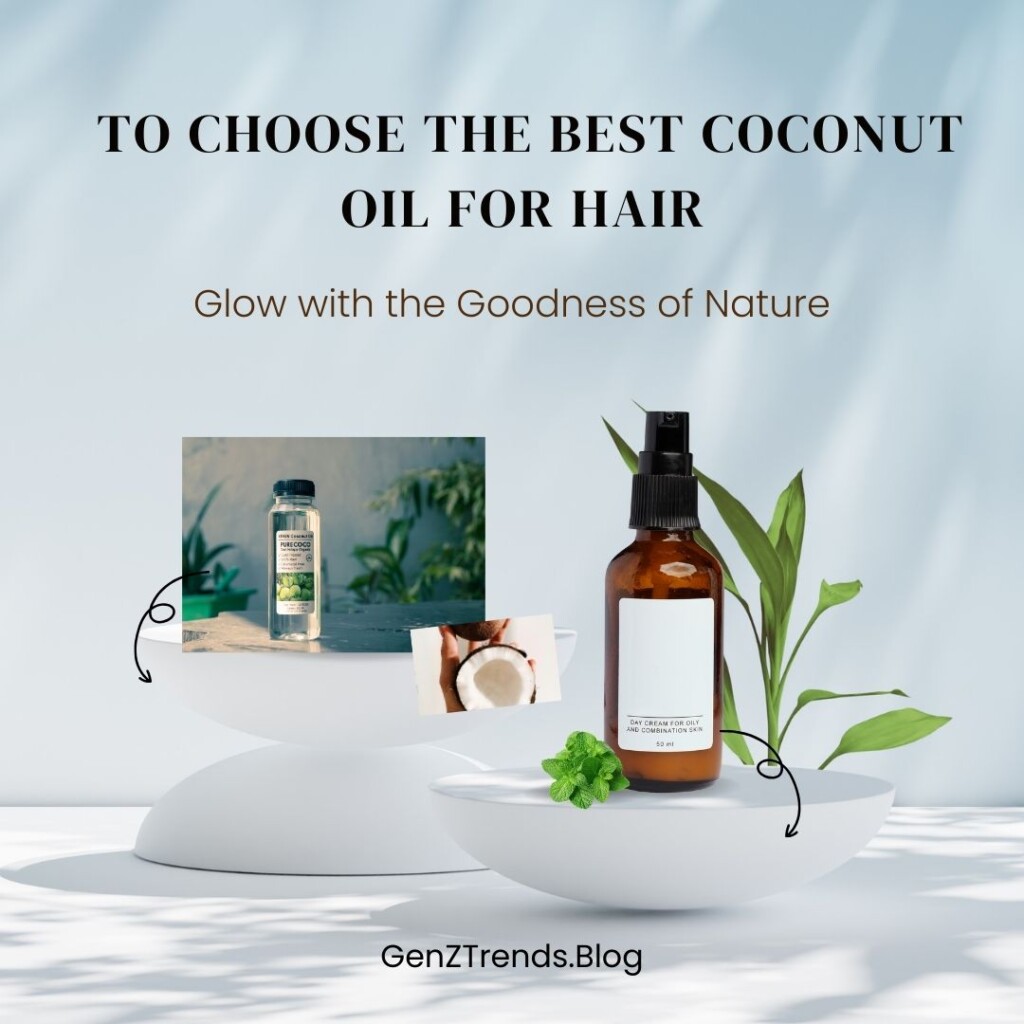
The quality of the coconut oil you choose determines how much of the benefit documented in each secret above you actually receive. Not all coconut oils are equivalent — processing matters enormously.
VIRGIN VS REFINED
The single most important distinction in coconut oil selection for hair care is between virgin (unrefined) and refined. Virgin coconut oil (also written as virgin coconut.oil in some product listings) — sold as extra virgin coconut oil for hair, cold-pressed virgin, organic virgin coconut oil for hair, virgin unrefined coconut oil for hair, 100 extra virgin coconut oil for hair, or simply virgin coconut oil — is extracted from fresh coconut meat without heat or chemical processing. This preserves the full fatty acid profile, antioxidant content, and phytonutrients at their natural concentrations. Refined coconut oil undergoes bleaching, deodorising, and often chemical solvent extraction — processes that remove much of the nutritional content that makes virgin oil therapeutically valuable. It is cheaper and more neutrally scented, but delivers measurably less of the lauric acid-driven benefits that underlie every secret in this guide. For hair care, always use virgin or extra virgin unprocessed oil.
COLD-PRESSED RECOMMENDATION
Cold pressing is the extraction method that best preserves the nutritional integrity of any plant oil. The best extra virgin coconut oil for hair is always cold-pressed. The cold pressing process uses mechanical pressure without heat to extract oil, preventing the oxidation and thermal degradation of heat-sensitive fatty acids and antioxidant compounds. The best coconut oil for hair growth in its cold-pressed form — such as the coconut secret coconut oil and similar certified-organic cold-pressed products — provides the maximum concentration of intact lauric acid and supporting compounds for all the applications in this guide.
ORGANIC VS PROCESSED
Organic certification assures that the coconut palms were cultivated without synthetic pesticides or fertilisers — relevant because lipid-soluble compounds can concentrate in oils extracted from non-organic crops. For hair care, organic virgin coconut oil for hair is always the preferable choice both for quality assurance and for the broader sustainability commitment that increasingly informs natural hair care purchasing. Beautyklove coconut oil, viva coconut oil for hair, and comparable organic-certified products reflect this preference — they represent the cleaner, more ethically produced end of the coconut oil for hair product market.
How Often Should You Use Coconut Oil for Hair?
Optimal frequency varies significantly by hair type — what is ideal for dry, damaged hair can be counterproductive for fine or oily hair.
OILY HAIR
For oily scalps, coconut hair oil should be used sparingly and primarily as a pre-wash treatment rather than a leave-in product. Once weekly — applied to the hair length before washing and fully rinsed out — is the appropriate frequency. Applying coconut oil to an oily scalp as a leave-in adds to the excess sebum that is already causing the oiliness, accelerates follicle buildup, and ultimately impairs rather than supports hair health. Coconut oil hair product use for oily hair is most beneficial when it never contacts the scalp directly and is always washed out completely.
DRY HAIR
Dry hair benefits from more generous coconut oil use — 2 to 3 times per week for full-hair treatments, with a small amount applied daily to the ends as a protective sealing agent. Dry hair’s more open, porous cuticle absorbs coconut oil more readily and is less prone to surface buildup than fine or oily hair. For severely dry hair, the overnight treatment method — everyday coconut oil hair treatments applied before bed and washed out in the morning — is one of the most transformative approaches available.
CURLY HAIR
Curly and coily hair types tend toward natural dryness due to the structural difficulty of sebum travelling from the scalp down a spiral hair shaft. These hair types benefit particularly from coconut oil’s moisture-sealing and protein-protecting properties, used as weekly deep conditioning treatments and regular pre-wash protection. The no coconut oil hair products movement within some curly hair communities reflects concerns about protein overload from overly frequent use rather than a problem with the ingredient itself — for protein-sensitive curly hair, limiting use to once weekly pre-wash treatments and avoiding leave-in application addresses this concern fully.
FINE HAIR
Fine hair requires the most careful approach to coconut oil use — the oil’s density and occlusive properties can make fine strands appear flat, limp, and greasy if overapplied or used as a leave-in. For fine hair, restrict coconut oil use to once-weekly pre-wash treatments in small amounts (1 tablespoon maximum), never apply as a leave-in or styling product, and always shampoo twice to ensure complete removal. The 7 secrets hair growth oil approach for fine hair concentrates all application at the pre-wash stage and accesses coconut oil’s protein-protective benefits without any of the weight or surface coating concerns that affect fine-haired users.
Common Mistakes to Avoid
The most common coconut oil disappointments trace back to a small number of predictable mistakes — not to any limitation of the ingredient itself.
USING TOO MUCH
The single most universal and most consequential mistake. Coconut oil’s concentration means that a small amount achieves more than a large amount — more lauric acid delivered to the protein structures that need it, more even distribution across the hair, and no excess left on the surface to cause buildup. Overuse leads to product accumulation that clogs follicles, weighs hair down, creates the greasy appearance that puts people off the ingredient entirely, and requires aggressive clarifying shampooing that strips hair of the very moisture and protein the treatment was meant to provide. Start with 1 teaspoon for full-head treatments and 1 drop for styling applications — and add more only if genuinely needed.
APPLYING TO A DIRTY SCALP
Applying coconut oil to a scalp already carrying product buildup, excess sebum, environmental debris, or dead skin cell accumulation significantly reduces absorption and effectiveness. The oil sits on top of the buildup layer rather than reaching the scalp tissue and follicles where its action is needed. Always apply scalp-targeting coconut oil treatments to a recently washed, clean scalp. The 6 oils that saved my hair approach — documented by multiple natural hair content creators — emphasises clean scalp application as the baseline requirement for any oil treatment to deliver meaningful results.
NOT RINSING PROPERLY
Incomplete removal after coconut oil treatments is the most frequently self-diagnosed cause of the greasiness and flatness that some users attribute to coconut oil itself. Because lauric acid adheres to hair protein, it requires thorough shampooing — often double shampooing for overnight or intensive treatments — to remove completely from the hair surface. If hair feels heavy, dull, or flat after a coconut oil treatment, the issue is almost always incomplete removal. Pure 7 hair growth oil reviews and similar multi-oil treatment community discussions consistently identify this as the most common source of frustration with oil treatments across the board.
USING LOW-QUALITY OIL
Refined, processed, or adulterated coconut oils deliver a fraction of the benefits documented in this guide. Choosing a low-quality product — whether the cheapest option available without virgin certification, a product that is not 100 percent coconut oil for hair but is mixed with fillers, or a product that has been sitting in a warehouse past its viable shelf life — and experiencing disappointing results often leads to the incorrect conclusion that coconut oil does not work. What is the best coconut oil for hair growth: certified organic, cold-pressed, 100 pure coconut oil for hair growth in its virgin, unrefined form. Nothing less will deliver the full benefits this ingredient is capable of.
Frequently Asked Questions
IS COCONUT OIL GOOD FOR ALL HAIR TYPES?
Coconut oil works for most hair types, but different types require different methods and frequencies. It is most immediately and dramatically beneficial for dry, damaged, and high-porosity hair where protein loss and moisture loss are the primary concerns. For fine, low-porosity, or protein-sensitive hair, the same oil is effective — but as a carefully dosed pre-wash treatment rather than a daily leave-in product. For curly and coily hair, it excels as a deep conditioner and protective sealer. The ingredient is broadly suitable; the method must match the hair type. What is the best coconut oil for your hair type: the same cold-pressed, virgin, organic oil — applied at the right frequency and in the right way for your specific texture and porosity.
CAN COCONUT OIL REGROW HAIR?
Coconut oil does not directly stimulate follicle-level hair growth the way proven pharmacological agents like minoxidil or natural ingredients like rosemary oil do. What it does is create and maintain the conditions that allow maximum growth to occur and be retained. Its anti-inflammatory and antimicrobial scalp action supports a healthier follicle environment. Its protein-protective properties reduce breakage — the primary reason most people’s hair appears not to grow, because it is breaking at the ends as fast as it grows at the root. Its growth massage application stimulates the microcirculation that feeds follicles. The best coconut oil for hair growth is therefore most accurately described as a growth enabler and length retention tool: it makes the most of the growth that is already happening by ensuring less of it is lost to breakage and follicle compromise.
HOW LONG SHOULD I LEAVE COCONUT OIL IN MY HAIR?
Duration depends on application purpose. For deep conditioning treatments: 30 minutes to 2 hours under gentle heat, or overnight at room temperature. For pre-wash protein protection: 20 to 60 minutes minimum, or overnight for severely damaged hair. For scalp soothing and anti-dandruff treatments: 30 minutes to overnight. For styling applications — frizz control, shine, end sealing — apply and style immediately with no leave-in time required. The 30 minute coconut oil hair mask is the universally applicable standard that works for all purposes and all hair types as a starting point. The coconut culture 10-in-1 treatment reviews and oliology coconut oil 10-in-1 leave-in treatment reviews both note that commercially formulated leave-in products have different leave-in guidance than pure oil — always follow product-specific instructions for formulated products.
CAN I USE COCONUT OIL DAILY?
Daily full-scalp and full-hair coconut oil application is not recommended for most hair types due to cumulative buildup risk and the protein sensitivity concerns that develop with excessive lauric acid exposure. The exception that works for virtually every hair type: applying a single drop of coconut oil daily to the very ends of the hair as a protective sealer and split-end manager. This amount is too small to cause buildup, too targeted to create greasiness, and genuinely beneficial for long-term end condition and length retention. For the 100 virgin coconut oil leave in treatment as a daily post-wash step — use the smallest amount that provides slip and shine, and monitor for signs of buildup or protein sensitivity (stiffness, rough texture, reduced elasticity) as indicators to reduce frequency.
CONCLUSION
The 7 proven coconut oil for hair secrets — deep conditioning treatment, scalp growth massage, pre-wash protein protection, frizz and shine control, split end sealing, scalp soothing, and heat damage protection — address every significant hair concern from a single ingredient that fits in one jar. What makes coconut oil uniquely powerful is not any single property but the convergence of all of them: a molecular structure that penetrates where other oils cannot, a fatty acid profile that protects and builds hair protein from within, and antimicrobial and anti-inflammatory properties that maintain the scalp health that all growth and quality depend upon.
The best coconut oil for hair is cold-pressed, virgin, and certified organic. Applied correctly — in the right amount, using the right method for your hair type, with the consistency that allows cumulative benefits to compound — it will deliver results that most commercial products at any price cannot reliably match.
Try one method this week. Start with the pre-wash treatment if your hair is damaged or breaking. Start with the growth massage if length and density are your priorities. Start with the frizz control technique if you want an immediate visible transformation. Give your chosen method 4 to 6 weeks of consistent practice before evaluating the full impact.
Your hair’s best results may not require a new product. They may simply require the right method — applied consistently — with the ingredient you may already have.